·6 min read
Spring Bed Refresh — How Mulch Saves Your Plants Through a Maryland Winter
A proper bed refresh in March isn't cosmetic — it's the difference between perennials that come back strong and ones that limp through summer. Here's what to do, what to skip, and the order to do it in.
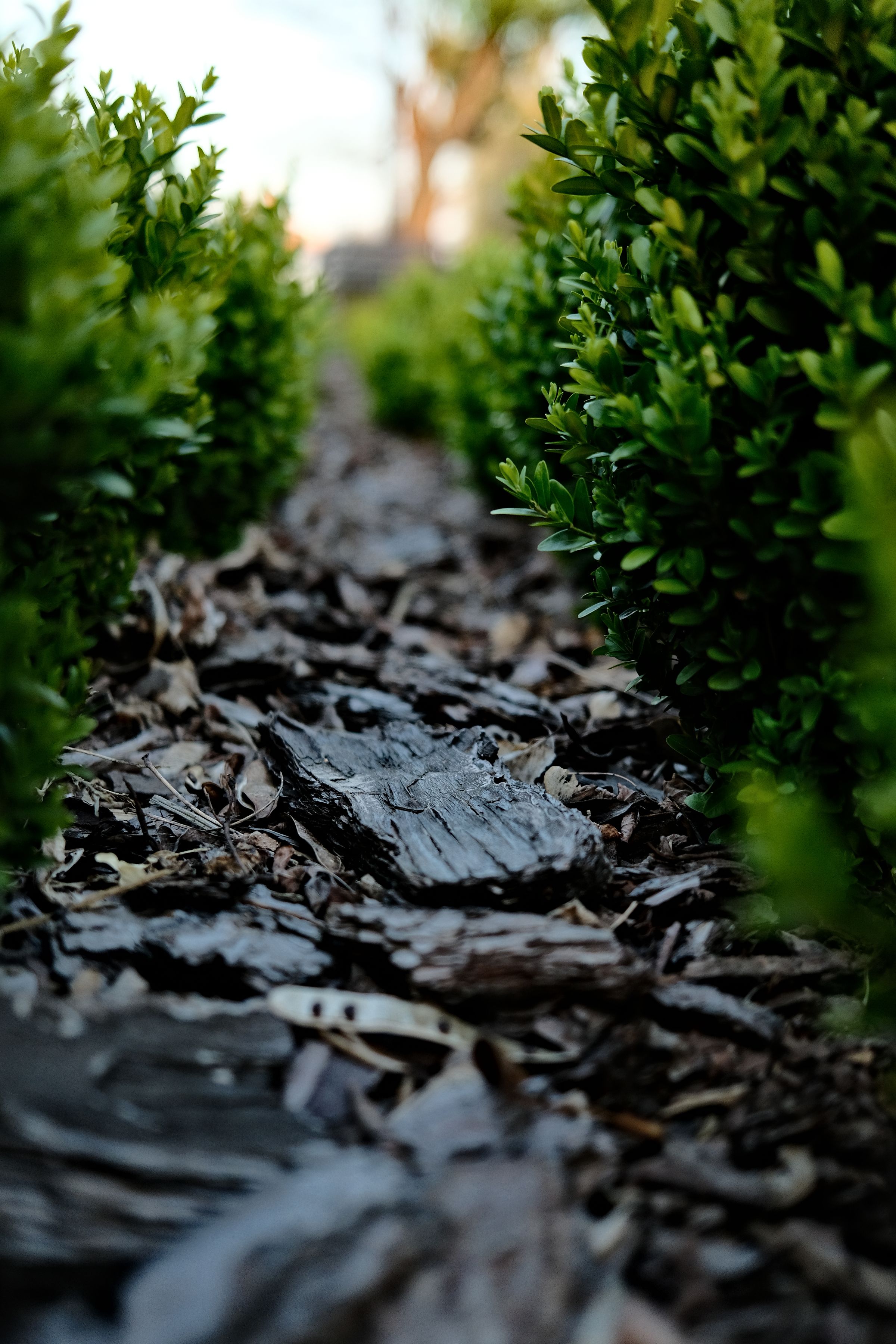
A spring bed refresh looks like cosmetic work — fresh mulch, sharp edges, weeded beds. Photographs well, makes the front of the house pop on a sunny April morning.
But the timing and order of what you do in March determines a lot more than how the beds look in April. It sets up your perennials for the rest of the year. Here's how to think about it, what to do in what order, and the small mistakes that quietly cost a lot.
What winter actually did to your beds
Before you can refresh, you have to know what you're refreshing. Three things happened over the winter:
Frost heave. Maryland's freeze-thaw cycle (we typically get 60+ freeze-thaw events between November and March) lifts plant crowns out of the soil, especially shallow-rooted perennials and recent fall plantings. Heaved roots dry out fast as soon as warmer days return.
Mulch settled and decomposed. Last spring's 3-inch mulch layer is now 1.5–2 inches at best. Organic mulch loses 30–50% of its volume per year — that's normal and good (it's becoming soil) but means your insulation is half what it was.
Weeds germinated under the mulch. Mature mulch is a weed barrier. Decomposed mulch is fertilizer for whatever weeds blew in last fall. By March, a typical bed has dormant cool-season weed seedlings hiding under the residue.
A spring refresh addresses all three.
The order to do things (do not reorder)
Order matters here. Skip a step or do them out of order and you cancel out part of the work.
1. Push heaved plants back down (early March)
First warm-and-dry day in early March, walk the beds. Look for:
- Perennials whose crowns are noticeably above the soil line
- Recent shrub plantings with exposed root balls
- Tulip and daffodil bulbs pushed up
Press them firmly back down with your foot or hands. Press, don't dig. The soil is still soft from winter and they should reseat easily.
If a plant has heaved 2+ inches and won't go back down, the soil under it has voided — dig a small trench around it, refill with topsoil, replant at the correct depth.
2. Pull weeds while small (mid-March)
A weed at 1 inch tall is a 2-second pull. The same weed at 4 inches is a serious dig — and it's seeded already.
The high-impact spring weeds in Harford/Baltimore county beds:
- Hairy bittercress (small white flowers, explodes seed pods when touched — pull before flowering)
- Henbit and dead nettle (purple flowers, low ground-hugging)
- Chickweed (small white flowers, mat-forming)
- Dandelions (you know these)
Pull when soil is moist after rain. Take the whole root if possible. For perennial weeds (dandelions, thistle), use a weeding tool to get the taproot.
Skip chemical pre-emergent in beds — most of them harm the desirable perennials too. Hand-weeding is the right tool for ornamental beds.
3. Edge the beds (mid-to-late March)
Once weeds are out, sharpen the bed edges with a fresh trench cut. Why now and not after mulching:
- Edging defines where mulch goes and doesn't go
- Mulched edges are softer than freshly-cut ones — easier to recut now while the line is still visible
- A 3-inch trench edge holds the mulch in place all season instead of letting rain wash it onto the lawn
The right tool is a half-moon edger or sharp flat-bladed shovel. Drive it 3 inches into the soil at the bed-to-lawn line, lift slightly, and pull soil into the bed. The lawn side gets a clean vertical wall; the bed side gets a slight downward slope.
For pavers or hardscape edges, just sweep clean — no edging needed.
4. Cut back perennials (late March)
Most perennials should be cut back to 4–6 inches before they leaf out. By late March, most are showing first new growth at the base — easy to find the right height.
What to cut:
- Ornamental grasses (down to 4–6 inches)
- Hostas (already-dead leaves; new ones are emerging)
- Daylilies (cut last year's brown leaves out)
- Coneflower, black-eyed susan, asters (cut last year's stalks down to fresh basal growth)
- Sedum (cut down dried flower heads)
What to leave:
- Roses (wait until forsythia blooms — typically April for our area)
- Hydrangeas (varies by type — bigleaf and oakleaf bloom on old wood; do NOT cut)
- Boxwood and other evergreen shrubs (only minor shaping if needed)
Cut stems and leaves go in compost or yard waste, not the bed.
5. NOW mulch (late March to early April)
Only after the previous four steps are done — push back, weed, edge, cut back — should you add fresh mulch. Doing it earlier means you're either smothering new growth, mulching over weeds that will pop right through, or burying mulch that has to come back out later.
How much:
- 2 to 3 inches deep total (existing decomposed layer plus new)
- If old mulch is 1 inch, add 1.5–2 inches of fresh
- If old mulch is gone, add 2.5–3 inches
- Around plants, stay 3 inches off the trunk/stem — see our mulch volcano article on why
For plant choice: dyed brown or natural hardwood. See our mulch comparison guide for the full breakdown.
What to not do in spring
Three common mistakes that hurt more than help:
Mistake 1: Spring fertilizing perennial beds
The instinct is "feed them, they're waking up." For ornamental perennials in established beds, additional fertilizer in spring usually:
- Forces fast soft growth that's vulnerable to late frosts
- Encourages aphids and soft-tissue pests
- Promotes leafy growth at the expense of flowers
Most established perennials don't need annual fertilization. The decomposing mulch from prior years is releasing slow nitrogen continuously. Adding more is over-feeding.
The exception: heavy bloomers like roses, dahlias, and clematis benefit from an early-spring slow-release fertilizer specifically formulated for them.
Mistake 2: Heavy pruning of spring-flowering shrubs
If a shrub blooms in April or May, it's blooming on last year's wood. Cutting it back in March cuts off the buds.
The list of "wait until after they bloom":
- Forsythia, lilac, viburnum, weigela
- Bigleaf and oakleaf hydrangea (Hydrangea macrophylla, H. quercifolia)
- Mountain laurel
- Rhododendron and azalea
Wait until the shrub finishes blooming, then prune within 2 weeks of last flowers.
Mistake 3: Watering before the plants need it
Maryland gets enough spring rain that established beds rarely need supplemental water until late May at earliest. Watering in March-April when the soil is already saturated:
- Drowns perennials whose roots can't get oxygen
- Leaches the slow nitrogen out of the soil
- Promotes fungal disease
The right rule: water when the top 2 inches of soil are dry to the touch. In Maryland's spring, that's rare until mid-May.
Schedule cliff notes
| Week | What to do |
|---|---|
| Early March | Push heaved plants back down |
| Mid March | Hand-weed beds |
| Mid-late March | Edge beds (fresh trench cut) |
| Late March | Cut back perennials and grasses |
| Late March – early April | Mulch (2–3 inches), donut shape around trees |
| April – May | Stay out of the beds. Let things grow. |
When to call us
Spring bed refresh is one of our most-requested services from mid-March through April. We do it as a full package or à la carte:
- Full bed refresh: edge, weed, cut back perennials, install mulch
- Mulch-only: when you've done the prep, we deliver and install
- Bed weeding (no mulch): lighter package for refreshes that don't need new mulch yet
A typical residential property — 4 beds, 6 yards of mulch — runs $400–$700 for the full package. Free quote with property visit.
Bottom line: spring refresh isn't optional cosmetic work. The five-step order — heave, weed, edge, cut, mulch — is the difference between perennials that thrive and ones that limp through summer. Do it in late March, do it in order, and the beds will basically run themselves until July.
Related: Mulch & Bed Refresh
Skip the DIY. We'll handle the mulch & bed refresh.
Free estimates, same-week start, work you can point at. Serving Harford County, Baltimore County & Baltimore City.