·5 min read
The Best Time To Aerate Your Lawn in Maryland (Hint — Not When You Think)
Spring aeration sounds right but is actually the worst time to do it on a Maryland cool-season lawn. Here's why fall wins, when in fall to schedule, and the difference between core and spike aeration.
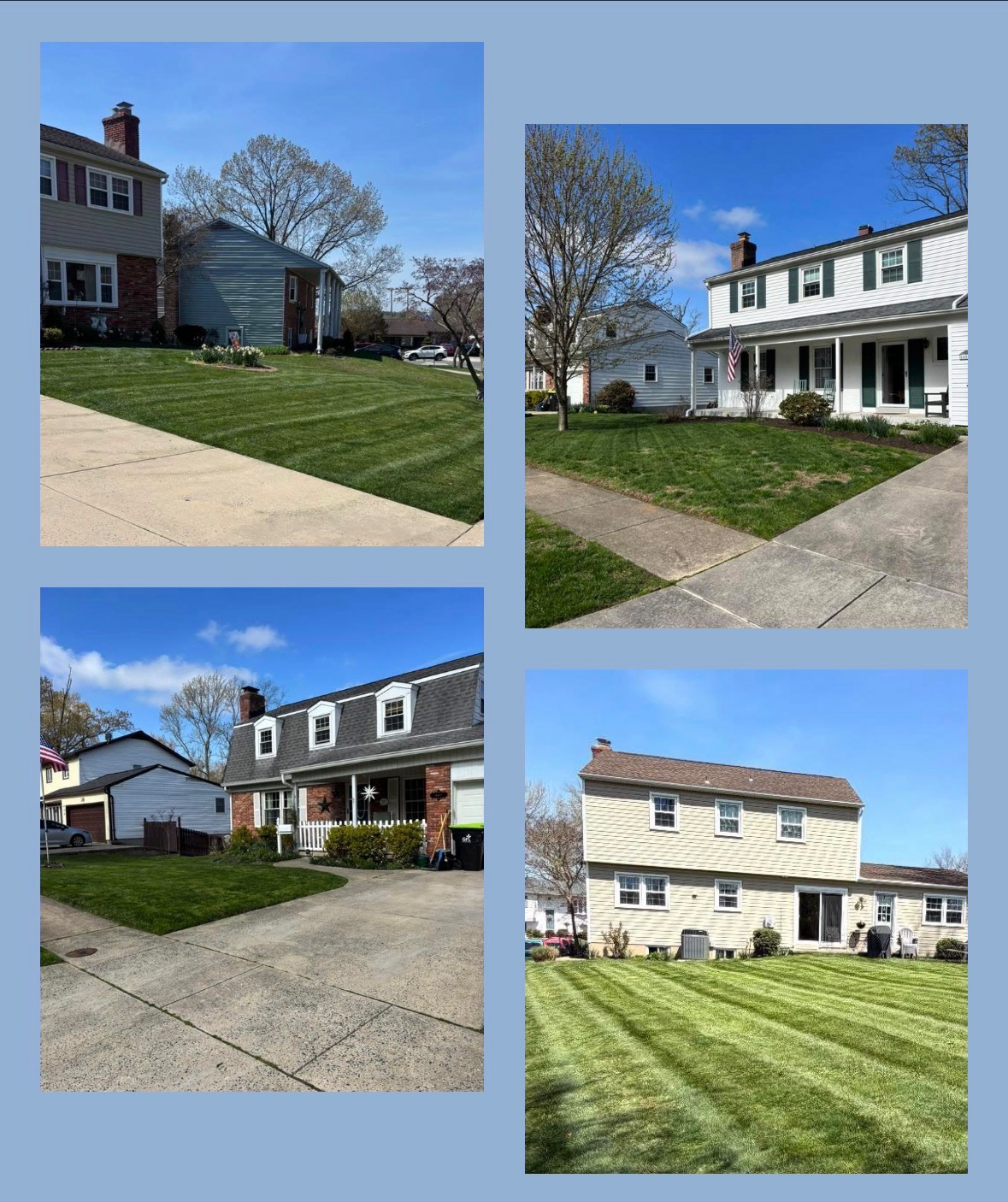
Most homeowners think spring when they think aeration. The lawn is waking up, looks rough after winter, and feels like the right moment for "spring cleanup."
It's exactly wrong on a Maryland cool-season lawn. Spring is the worst time of year to aerate. Fall is when it actually works — by a wide margin. Here's why, and when in fall to schedule.
What aeration actually does
Aeration pulls finger-sized plugs of soil out of the lawn (or pokes holes through it, depending on type). The point is:
- Open compacted soil so air, water, and nutrients can reach roots
- Reduce thatch buildup by exposing the layer between soil and grass blades
- Improve drainage in clay-heavy yards
- Create perfect seedbeds for overseeding
Two types of aeration:
Core aeration: machine pulls actual cylindrical plugs out (about 3" long, 3/4" diameter). The plugs sit on the lawn for 1–2 weeks and break down. This is the right kind for most Maryland yards.
Spike aeration: machine pokes holes without removing soil. Cheap, fast, mostly useless on clay because it just compresses the soil walls of the hole. Skip it.
When we say "aerate" in this article, we mean core aeration.
Why fall beats spring for cool-season grass
Maryland's tall fescue, Kentucky bluegrass, and ryegrass blends — the cool-season grasses that dominate residential lawns here — go through two annual growth peaks: spring and fall.
The fall peak is the more important one for lawn health. Here's what's happening:
| Factor | Spring (April–May) | Fall (September–October) |
|---|---|---|
| Soil temp | 50–65°F (rising fast) | 60–70°F (cooling slowly) |
| Air temp at night | 40–55°F (highly variable) | 50–60°F (steady) |
| Crabgrass and weed pressure | High (germinating) | Low (dying back) |
| Disease pressure | Brown patch building | Dropping |
| Grass response to stress | Slow recovery | Fast recovery |
| Root growth | Some | Maximum |
The two factors that matter most for aeration timing:
-
Crabgrass. Aeration in spring creates 50,000+ tiny holes — perfect crabgrass seedbeds. Even with pre-emergent herbicide, you compromise the chemical barrier when you punch through it. Fall has zero crabgrass germination.
-
Root growth. Cool-season roots grow most aggressively in fall, when air is cool but soil is still warm. New seed planted in fall builds 8 weeks of root before frost. Spring seed has 4 weeks of root before summer heat hits and stalls growth.
If you only aerate once a year, do it in fall. Always.
When in fall to schedule
The window in our service area (Harford and Baltimore counties) is:
- Earliest practical: late August (after August's hottest weeks)
- Sweet spot: mid-September to mid-October
- Latest practical: late October (before first frost)
The driver is soil temperature plus rainfall. You want:
- Soil temp 55–70°F (still warm enough to germinate seed)
- Recent rain or watering so soil is moist but not soaked
- 6+ weeks before first frost (typically October 25–November 5 in our area)
If you're trying to overseed after aeration (you should), the second week of September is the textbook ideal — but anywhere mid-September through early October works.
Aerate then overseed: the high-leverage combo
Aeration alone helps. Aeration + overseeding is the highest-leverage lawn maintenance you can do all year.
The plug holes are perfect seedbeds:
- Seed-to-soil contact is excellent (better than just broadcasting on lawn surface)
- Holes hold moisture longer than open ground
- Seedlings establish within the existing turf without competing with mature grass
The right seed for our area is a tall fescue blend, ideally the same blend already in your yard. Mixed varieties (3+ different fescues) are most resilient to disease and varied conditions.
Seeding rate after aeration:
- 5–7 lbs per 1,000 sq ft for thin lawns (extensive bare patches)
- 3–5 lbs per 1,000 sq ft for overseeding healthy lawns (filling in)
After seeding, water lightly and frequently for 14–21 days until germination is established. Then drop to deep, infrequent watering.
Should you spring-aerate at all?
Almost never. The exceptions:
- Brand-new sod that never aerated in its first 2 years (root system needs help breaking compacted prep soil)
- Severely compacted high-traffic lawns (kid play areas, frequent parking) where even fall aeration doesn't keep up
- Athletic fields where the timeline matters
For 95% of residential lawns: skip spring aeration entirely.
What aeration costs
Typical 2026 pricing in our area for residential properties:
| Property size | Core aeration only | Aeration + overseed |
|---|---|---|
| Up to 5,000 sq ft | $80–$120 | $150–$220 |
| 5,000 – 10,000 sq ft | $120–$170 | $220–$320 |
| 10,000 – 20,000 sq ft | $170–$240 | $320–$450 |
| Over 20,000 sq ft | Quoted | Quoted |
The aeration + overseed combo is almost always the right buy. Aeration alone delivers 30–40% of the benefit; the seed is what gets you the dramatic spring improvement.
DIY aeration with a rented walk-behind core aerator runs about $80/half-day at Home Depot or Sunbelt. It's hard work — these machines are heavy and bumpy on slopes — but doable for small flat yards. Larger or sloped properties are 2-person jobs and not really DIY-friendly.
What to do after aeration
Right after the job:
- Leave the plugs. They'll break down in 1–2 weeks. Don't rake them up or it defeats the purpose.
- Water lightly if rain isn't forecast within 48 hours
- Skip mowing for 5–7 days while seed germinates
- No fertilizer right away. Wait 2 weeks; we typically apply a winterizer fertilizer in late October.
For 4–6 weeks after:
- Keep soil moist (not wet) — daily light watering during germination
- Once grass is 2"+ tall, you can mow. First cut should be at full height (3–3.5")
- Skip spring pre-emergent the following spring on freshly seeded areas — it kills new seedlings as well as crabgrass
The schedule for next 12 months
If you do nothing else for your lawn:
- September 15–October 10: aerate + overseed (the big lift)
- Late October–early November: winterizer fertilizer
- Late February–early March: pre-emergent herbicide (skip on areas seeded in fall)
- Mid-April: first mow at 3–3.5"
- Through summer: regular mowing, deep infrequent watering, no fertilizer
That's it. Skip every other "spring lawn treatment" service if you're on a budget. The fall aerate-and-overseed is the single highest-impact thing you can do.
When to call us
We do aeration and overseeding throughout Harford and Baltimore counties from late August through October. Most properties get done in 1–2 hours. Bundle pricing with leaf cleanup or final mow if you want a full fall package.
Bottom line: skip spring aeration. Schedule fall aerate-and-overseed for mid-September to mid-October. It's the single highest-leverage thing you can do for your lawn all year, and it costs less than two months of mowing.
Related: Leaf & Fall Cleanup
Skip the DIY. We'll handle the leaf & fall cleanup.
Free estimates, same-week start, work you can point at. Serving Harford County, Baltimore County & Baltimore City.